
Trip planning guide: 5 Easy Steps to Stress-Free Travel
Why a Trip Planning Guide Makes Travel Stress-Free
A trip planning guide helps you organize your vacation by breaking the process into manageable steps. Proper planning reduces stress, can save up to 20% on expenses, and helps you find authentic local experiences. Over 70% of travelers report that planning significantly reduces vacation stress, yet many feel overwhelmed. Where do you begin? How much should you budget?
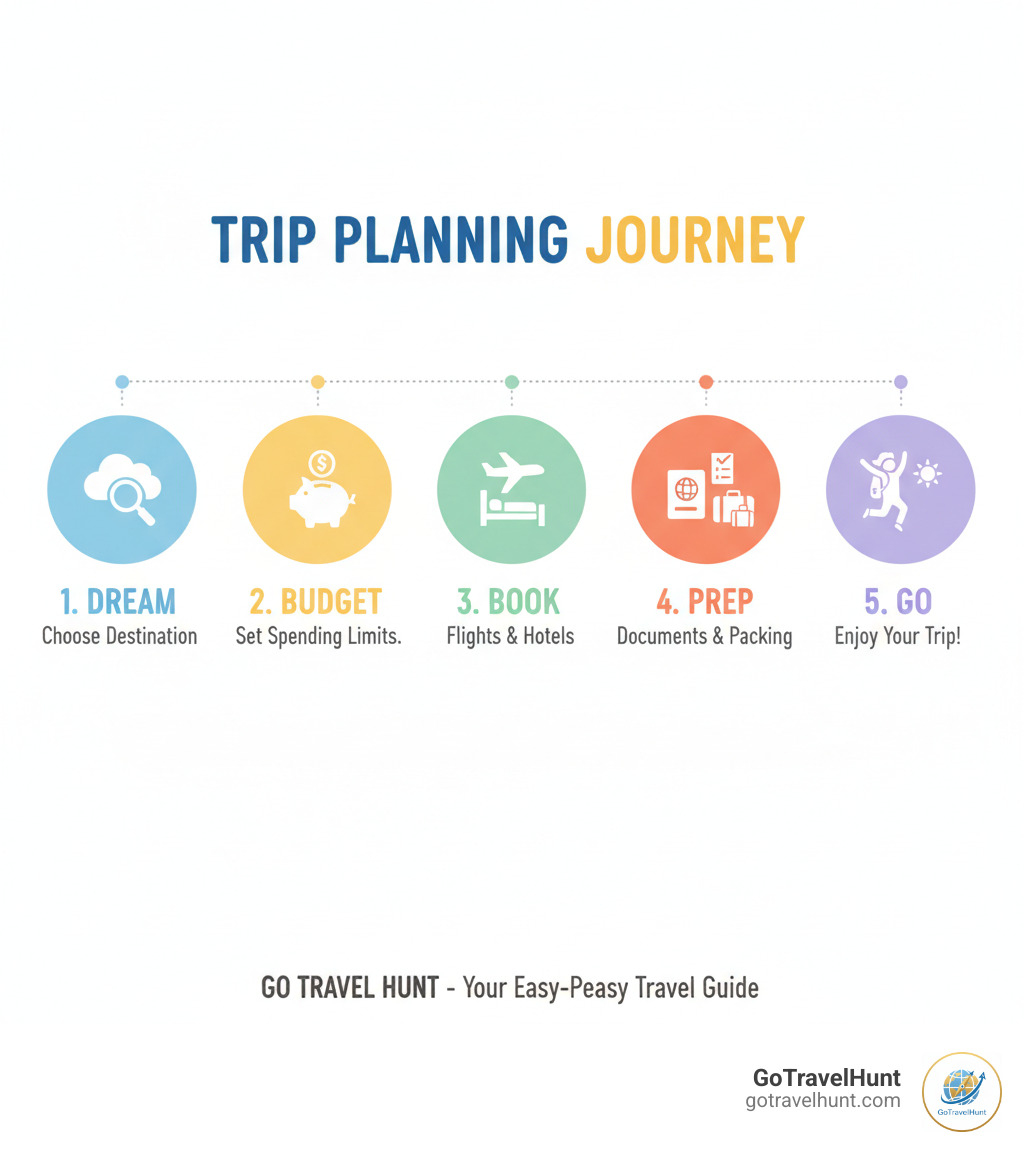
The good news? Trip planning doesn’t have to be complicated. You just need a clear, step-by-step process that covers all the essentials:
- Dream & Budget – Choose your destination and set a realistic budget.
- Research & Book – Find affordable flights and accommodations.
- Prepare – Gather documents, get insurance, and create a packing list.
- Plan & Go – Build a flexible itinerary and enjoy your trip.
Think of this as your friendly roadmap. We’ll walk through each stage with practical advice that works. I’m Ramy Saber, founder of GoTravelHunt, and I’ve spent years helping travelers organize stress-free vacations. My goal is to make your next adventure as smooth and memorable as possible.
Trip planning guide terms at a glance:
- itinerary
- travel brochure
- Wildlife photography travel
Step 1: Laying the Groundwork (Dreaming & Budgeting)

Every amazing trip starts with a simple question: Where do I want to go?
This is the fun part. Before worrying about logistics, let yourself dream. What kind of experience excites you? Your trip planning guide journey begins by choosing a destination that matches your travel style. Are you planning a solo adventure? Check out our Solo Trip Ideas. Dreaming of a romantic getaway? Our guide to Best Vacation Spots for Couples can spark ideas.
Travelers who carefully plan are three times more likely to have a positive experience. Once you’ve chosen your destination, it’s time to create a budget.
How to Determine a Realistic Travel Budget
A solid budget is freeing, not limiting. It helps you make smart choices without constantly worrying about money, and proper planning can save you up to 20% on trip expenses.
Start by estimating your major fixed costs: flights, accommodation, travel insurance, and any necessary visa fees. Next, consider variable costs that change daily: food, activities, local transportation, and shopping. Researching average prices for your destination will help you estimate a realistic daily budget.
To make this manageable, use a simple spreadsheet to list each category and its estimated cost. This gives you a clear picture of the total expense. From there, you can create a savings plan. If your trip costs $3,000 and you’re leaving in six months, you need to save $500 per month. Breaking it down makes the goal achievable.
Factors for Deciding the Length of Your Trip
How long should your trip be? It’s more than just counting vacation days.
- Destination distance is key. Long-haul flights eat into your vacation time with travel and jet lag recovery.
- Work constraints are a practical reality. Be honest about how much time you can take off. A well-planned long weekend can be just as refreshing as a two-week trip. Our Weekend Getaways Near Me guide shows how to maximize short trips.
- Budget limitations naturally affect trip length. Sometimes a shorter, higher-quality trip is more enjoyable than a longer one spent pinching pennies.
- Pace of travel matters. Do you want to see everything, or relax and soak in the atmosphere? Trying to cram too much into a short time is a recipe for exhaustion.
As a rule of thumb, try to spend at least three nights in each major city. This gives you two full days to explore without feeling rushed. Your trip planning guide should help you find a balance between seeing enough and enjoying what you see.
Step 2: The Detective Work (Research & Booking)
With your destination and budget outlined, it’s time for the detective work. This is where our trip planning guide helps you find great deals and insider knowledge. The effort you put in now pays off when you’re on your trip.
Best Strategies for Finding Affordable Flights and Accommodations
Finding the sweet spot between quality and cost requires smart strategies, especially for European travel.
Finding Your Flight
- Flexibility is your superpower. If you can travel during the off-season or fly mid-week, you’ll often find significant savings.
- Timing matters. For international travel to Europe, the best prices often appear nine to ten months before departure. Start monitoring fares early and set up price alerts.
- Comparison is key. Use multiple booking platforms to see all available options. Once you find a great deal, we recommend booking directly with the airline, as it can simplify any future changes.
For more strategies, explore our Cheap Flight Deals guide.
Choosing Your Accommodation
Europe offers a variety of stays. Hotels offer convenience for short trips. Hostels are great for budget-conscious travelers and often have private rooms. Rental properties provide a local feel with more space and amenities, ideal for longer stays.
Location is crucial. Prioritize staying within walking distance of your main interests or near good public transport. A central location can save you time and money. Before booking, read recent reviews for insights into cleanliness, safety, and accuracy. Our Travel Booking Tools can help simplify your search.
How Much Time to Allocate for Research
Proper research uncovers the experiences that make a trip extraordinary. Understand your destination’s rhythm, from seasonal weather to local festivals. A pro tip: search for events in the local language using a translation tool. This often reveals authentic markets, concerts, and festivals that English searches miss.
Learn basic cultural customs, like tipping and greetings, to ensure smoother interactions. Always check the weather forecast at weather.gov and review any safety advisories for your destination.
Balance must-see attractions with hidden gems. You don’t need to see everything, but you should experience what matters to you. Dedicating a few hours per week in the months before your trip allows you to compare options and develop a genuine feel for your destination. This research transforms your trip from simply visiting a place to truly experiencing it.
Step 3: Your Ultimate Trip Planning Guide to Getting Prepared
You’ve chosen your destination and booked your travel. Now it’s time for preparation, where your trip planning guide turns ideas into action. This stage is about building a safety net so you can relax and enjoy your adventure.
The Key Travel Documents You Need to Prepare
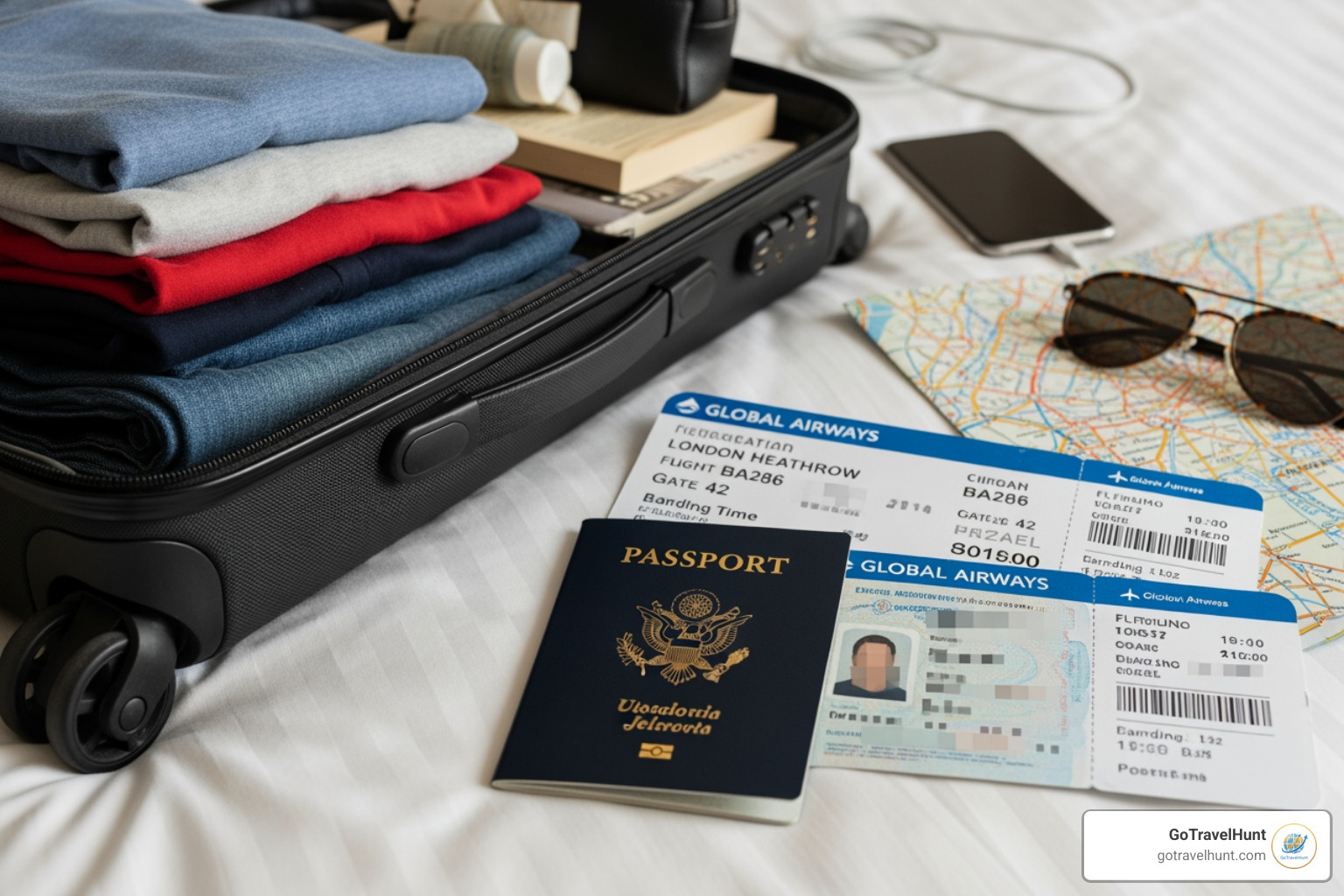
Getting your documents sorted early is non-negotiable. Here’s what you need:
- Passport: For international travel, most European countries require your passport to be valid for at least six months beyond your planned departure date. Check this immediately, as renewals can take weeks. Also, ensure you have enough blank pages for stamps.
- Visa: Depending on your nationality, you may need a visa. The U.S. Bureau of Consular Affairs has information for U.S. citizens, but always verify requirements for your specific situation. Also, be aware of Europe’s upcoming ETIAS travel authorization system.
- Real ID: For U.S. domestic flights, ensure you have a Real ID-compliant license or other accepted identification.
Pro Tip: Make digital and physical copies of your passport, visa, and all reservations. Store them securely and separately from the originals. Before you leave, notify your bank of your travel dates and check your phone plan for international roaming options.
Why Travel Insurance Is Important and What to Look For
Travel insurance is a small cost that can save you from financial disaster. Any good trip planning guide will stress its importance. It protects you from unforeseen events like medical emergencies, which can be incredibly expensive abroad. Our Trip Medical Insurance resource can help you find the right coverage.
Insurance also covers trip cancellation or interruption, reimbursing you for non-refundable flights and hotels. It can also cover lost or delayed luggage.
When shopping for a policy, look for comprehensive coverage that includes medical emergencies, trip cancellation, and baggage loss. If you plan adventurous activities, ensure they are covered. Always read the fine print to understand deductibles, limits, and exclusions.
How to Create a Practical Packing List for Your Trip
The secret to smart packing is bringing only what you’ll actually use. Packing light is essential in Europe, with its cobblestone streets and train travel. Think layers and multi-purpose clothing.
Organize your packing into categories: clothing, travel-sized toiletries, and tech gear (including a universal adapter). Keep travel documents and medications accessible. A small first-aid kit, sunglasses, and a reusable water bottle are also wise additions.
Packing cubes can be a game-changer for organization. And remember the golden rule: leave some room for souvenirs. For a ready-made template, find my packing checklist here. For more detailed advice, see our Travel Packing Complete Guide.
Step 4: Finalizing Your Master Plan & Enjoying the Ride

You’ve budgeted, booked, and packed. This final stage of our trip planning guide is about bringing it all together. Proper planning creates the freedom to enjoy your adventure, wander down a side street, or linger over a coffee without worry.
Crafting a Practical Itinerary with a trip planning guide
Think of your itinerary as a helpful friend, not a demanding boss. The secret is a flexible framework that leaves room for spontaneity.
- Group attractions geographically. Explore neighboring sights on the same day to save time and energy.
- Pace yourself. Focus on one or two main activities per day. A single museum visit is often plenty.
- Build in free time. Unplanned moments—people-watching at a café or finding a charming neighborhood—often become the best memories.
An App to Track Travel Itinerary can help you organize your plans, or you can use our Travel Itinerary Template as a starting point. A week before you leave, check for local events again using a translation tool like DeepL to find authentic experiences.
Common Trip Planning Mistakes to Avoid
Even seasoned travelers can fall into these traps. Sidestep stress by avoiding them.
- Overscheduling: Trying to do too much leads to exhaustion, not enjoyment.
- Not having a backup plan: What if it rains or a museum is closed? Have a few alternatives in mind.
- Ignoring your budget: Keep a loose eye on spending to avoid post-vacation bill shock.
- Forgetting a final document check: Double-check passport validity and visa requirements one last time before you leave.
- Being inflexible: Flights get delayed and plans change. Adaptability is the key to a great travel experience.
How to Make the Most of Your Trip Once You Arrive
The real adventure begins now. These tips will help you create a truly memorable journey.
- Connect with locals. Ask shopkeepers or your hotel concierge for their favorite spots. Learning a few basic phrases in the local language goes a long way.
- Try new foods. Seek out local eateries instead of familiar chains. Some of the best meals come from taking small culinary risks.
- Stay present. Put your phone away and use your senses. The sights, sounds, and smells of a new place create the most powerful memories.
- Accept spontaneity. Your careful planning created the foundation. Now, build on it with curiosity. That unplanned detour might become the highlight of your trip.
For more insights, explore our Authentic Travel Experiences Ultimate Guide.
Frequently Asked Questions about Trip Planning
Travel planning brings up many questions. Here are answers to some of the most common ones to make your trip planning guide journey smoother.
What are the essential first steps in planning a trip?
The first steps are always to decide on your destination and travel style, determine your trip length, and set a realistic budget before you book anything. This foundation is the cornerstone of stress-free travel planning.
What’s the best way to find cheap travel deals?
Finding deals is about strategy. First, be flexible with your travel dates; flying mid-week or in the off-season can save you hundreds. Second, sign up for deal alerts that notify you when prices drop. Finally, compare prices across multiple platforms to ensure you’re getting the best value. Our Travel Booking Tools can help with this.
How can I create an itinerary without over-scheduling?
The key is remembering that less is more. Focus on just one to two main activities per day and group them by location to minimize travel time. Most importantly, build in free time for relaxation, meals, and spontaneous findies. An itinerary should be a helpful guide, not a stressful schedule. Our Travel Itinerary Template can help you get started.
Conclusion
There you have it—your complete roadmap to stress-free travel planning. This trip planning guide has equipped you with the tools to turn your travel dreams into reality.
You now know how to approach planning with confidence: start with the dream by choosing a destination and budget; move into detective mode by researching and booking smart; get prepared with the right documents and gear; and finalize a flexible plan that leaves room for magic.
Travelers who plan properly report 70% less stress. But more importantly, good planning gives you the freedom to be present and enjoy every moment. You don’t need to be a professional to have an amazing trip—you just need a clear process and a flexible mindset.
At GoTravelHunt, our mission is to make travel planning easy, stress-free, and affordable. We’ve created comprehensive resources to guide you every step of the way.
Your next adventure is waiting. With this guide, those experiences are not just possible; they’re inevitable.
Ready to start your next adventure? Explore our comprehensive travel guides! Let’s turn those travel dreams into stories you’ll share forever. Safe travels!