Hidden gems Europe: 7 Unforgettable Escapes
Why Europe’s Hidden Gems Offer the Best Travel Experiences
Hidden gems Europe are the lesser-known destinations that offer authentic experiences, fewer crowds, and significantly lower costs than popular tourist hotspots. Instead of battling crowds at a famous landmark, imagine finding a place that feels truly your own.
Quick Overview: Top Hidden Gems in Europe
- Lake Bohinj, Slovenia – Serene alpine lake with mountain views, less crowded than Lake Bled
- Sighișoara, Romania – UNESCO medieval town, birthplace of Vlad the Impaler
- Pico Island, Azores – Volcanic landscapes, unique vineyards, whale watching
- Albanian Riviera – Pristine beaches at a fraction of Mediterranean prices
- Vejer de la Frontera, Spain – Whitewashed Andalusian village with Moorish charm
- Lukomir, Bosnia – Europe’s highest and most isolated traditional village
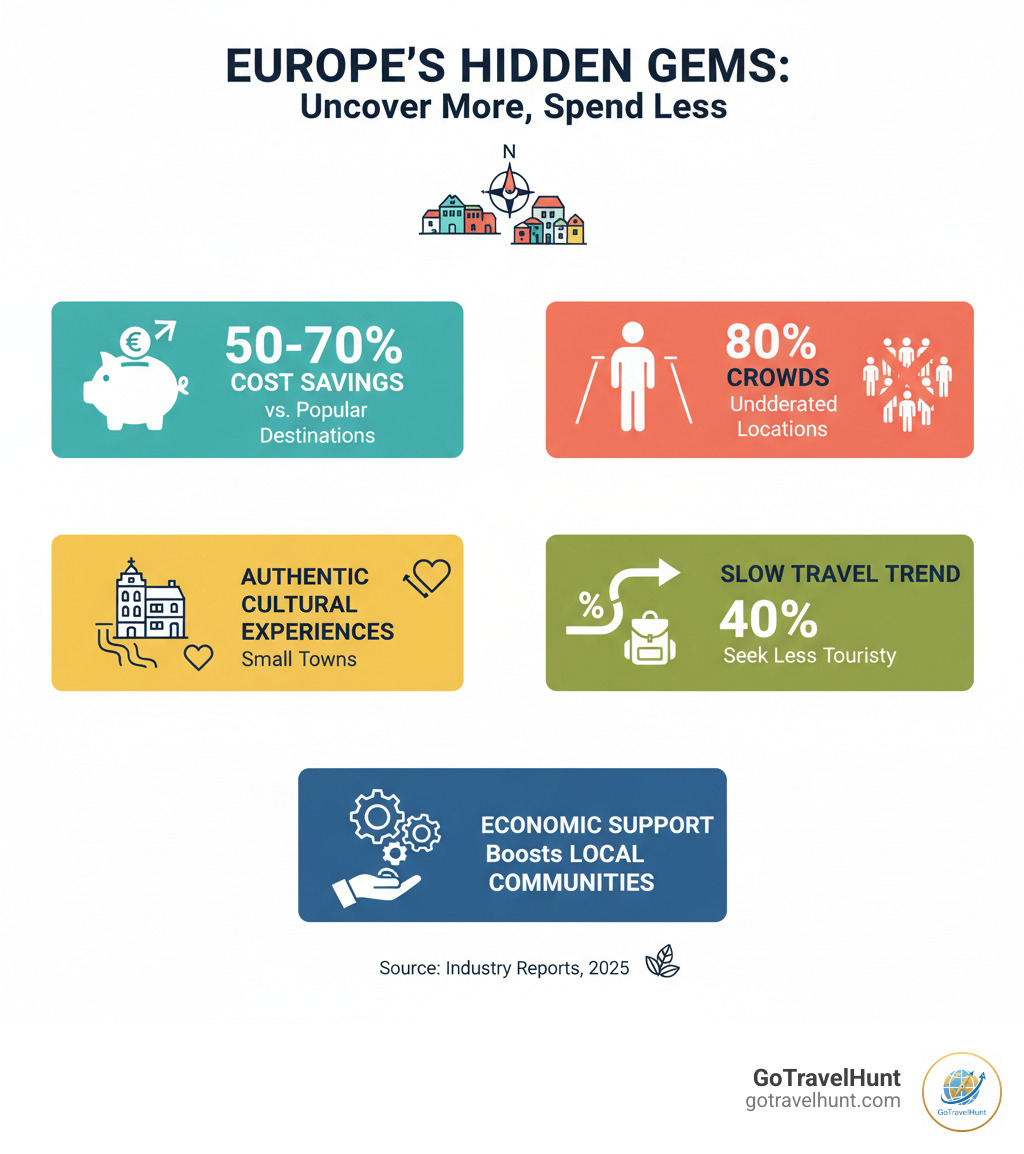
Europe is filled with breathtaking places that barely see tourists. These hidden gems offer the same beauty and rich history as the classics—without the chaos. The slow travel movement is gaining momentum, with travelers seeking deeper immersion in local cultures. Countries like Albania and Bosnia offer extraordinary experiences at costs 50-70% lower than Western European hotspots. You can enjoy authentic local cuisine, stay in family-run guesthouses, and actually connect with locals.
These underrated destinations aren’t just cheaper—they’re often more rewarding. When you visit a place that hasn’t been over-exposed, you get to experience it as it truly is and support local communities directly. I’m Ramy Saber, founder of GoTravelHunt, and I’ve found that the most memorable travel experiences happen in places you’ve never heard of. These hidden gems Europe has to offer will transform how you think about European travel.
Why Choose Off-the-Beaten-Path Europe?
Picture trying to snap a photo at the Trevi Fountain, surrounded by hundreds of people doing the same thing. Your “romantic European moment” feels more like a mosh pit. While Europe’s famous cities are incredible, their popularity has created a problem: overtourism. It’s not just about crowds; it’s about losing the authentic experience you came for.
This is where Europe’s hidden gems change everything.
When you choose lesser-known destinations, you’re finding real Europe. In a tiny village in Bosnia or a coastal town in Albania, you’re not just another tourist—you’re a guest. The owner of your guesthouse remembers your name, and you have actual conversations with people who live there.
The financial difference is staggering, too. We’re talking about 50-70% lower costs compared to Western European hotspots. A meal that costs €40 in Venice might cost €12 in a Romanian medieval town. Your travel budget suddenly stretches much further, meaning you can stay longer and experience more.
Crucially, your money goes directly to local communities. When you stay in a family-run guesthouse or eat at a neighborhood restaurant, you’re supporting real people and helping preserve their way of life. In major tourist cities, much of your spending flows to large international chains. In hidden gems Europe offers, it stays local.
The cultural immersion is deeper, too. These are the moments that transform a trip into a story your friends haven’t heard a thousand times before.
Let me show you what I mean with a real comparison:
| Feature | Popular Destination (e.g., Santorini, Greece) | Hidden Gem (e.g., Albanian Coast) |
|---|---|---|
| Average Daily Cost | €150-€300+ | €40-€80 |
| Crowd Density | Overwhelming, especially May-September | Peaceful, even in summer |
| Unique Local Experiences | Tourist-focused activities, commercialized | Authentic village life, traditional meals |
| Accommodation | Expensive resorts and hotels | Family guesthouses, local apartments |
| Pace of Travel | Rushed, always busy | Relaxed, slow travel |
The Albanian Riviera, for instance, has the same crystal-clear Mediterranean waters as the Greek islands but at a fraction of the price and with space to breathe. Everyone’s seen photos of the Eiffel Tower, but how many people can tell you about hiking to Europe’s most isolated mountain village? These hidden gems give you unique stories that are actually yours.
This isn’t about avoiding beautiful places. It’s about finding beauty without the chaos. It’s about travel that feeds your soul instead of draining your energy and wallet.
Want to dive deeper into creating these meaningful connections? Check out our guide on creating authentic travel experiences.
Our Curated List of Hidden Gems in Europe
After years of exploring Europe’s quieter corners, we’ve gathered some of our favorite hidden gems Europe has to offer. Each destination promises something extraordinary—without the overwhelming crowds or inflated prices.
Lake Bohinj, Slovenia: A Serene Alpine Escape
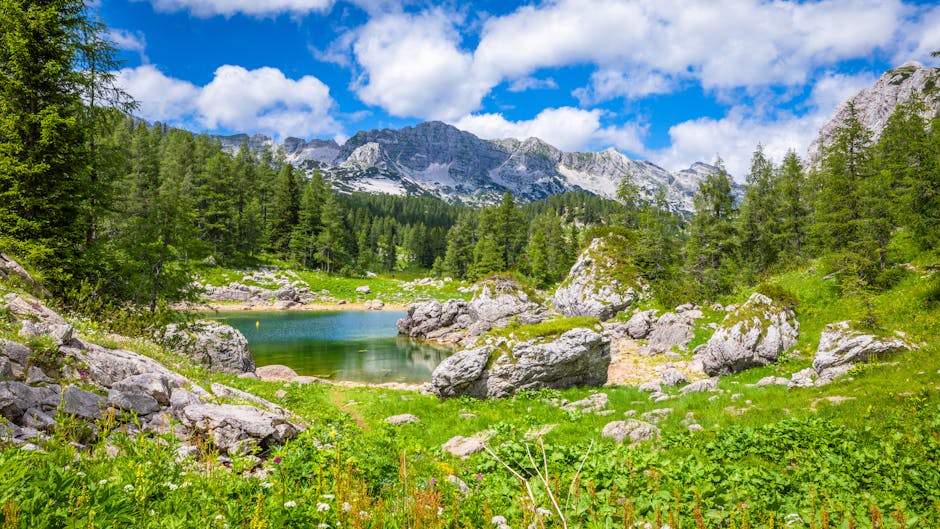
While Lake Bled gets the attention, Lake Bohinj is where you’ll find the real magic. Tucked inside Triglav National Park, this glacial lake offers jaw-dropping alpine beauty without the tour buses. Picture crystal-clear turquoise waters mirroring the Julian Alps, surrounded by forests and meadows. The silence is sacred.
Kayaking and paddleboarding on the glassy surface is meditative, and hiking trails wind around the shore. A short hike leads to the stunning 78-meter Savica Waterfall. Don’t leave without trying the local alpine cheeses from mountain dairies. In winter, the Vogel Ski Resort offers spectacular views from its slopes.
Getting there: Direct buses run from Ljubljana (1.5-2 hours). Renting a car offers more freedom to explore the national park.
Best time to visit: May to October for hiking and water activities; December to April for skiing.
Sighisoara, Romania: A Medieval Transylvanian Treasure
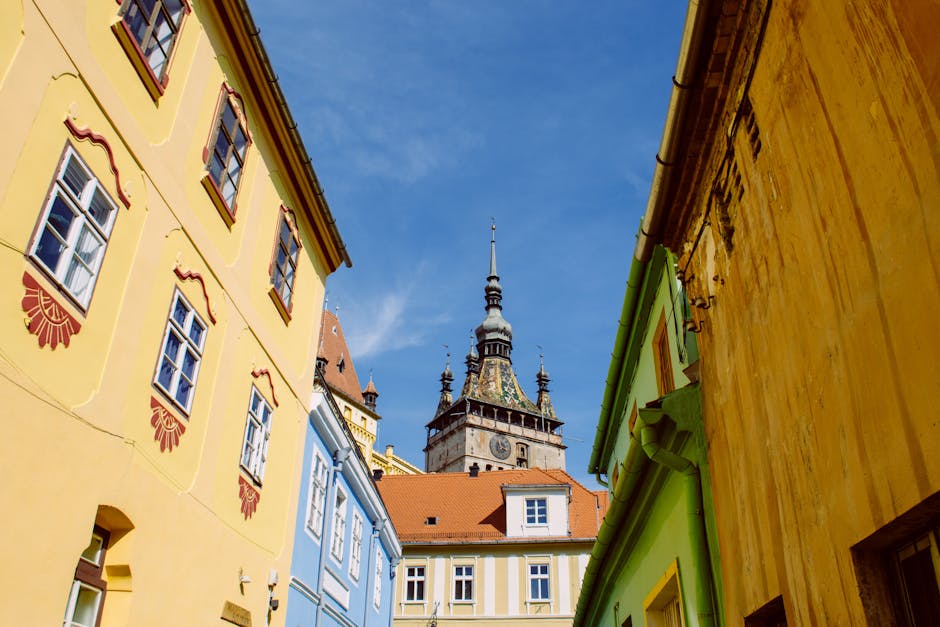
Walking through Sighișoara, a UNESCO World Heritage Site, feels like stepping into the Middle Ages. It’s one of Europe’s best-preserved medieval towns and a living community. Colorful houses line narrow cobblestone streets, creating a storybook atmosphere.
Sighișoara is the birthplace of Vlad the Impaler, the inspiration for Dracula. The Clock Tower is the town’s crown jewel; climb to the top for panoramic views and visit the history museum inside. For more details, see the Sighisoara Clock Tower history. Also, climb the 175-step Scholar’s Stairway to the Church on the Hill.
Getting there: The closest airports are Târgu Mureș, Cluj-Napoca, or Sibiu. Renting a car is best for exploring Transylvania.
Best time to visit: May or September for pleasant weather and manageable crowds.
The Azores, Portugal: Pico Island’s Volcanic Majesty

The Azores archipelago is a mid-Atlantic secret, and Pico Island is its wildest part. Dominated by Mount Pico, Portugal’s highest peak, the island feels raw and untamed. The landscape is a dramatic contrast of black lava rocks and green pastures.
Pico’s UNESCO World Heritage vineyards are unique, with grapevines protected by small stone walls, creating a striking patchwork against the blue ocean. Learn more at the UNESCO World Heritage vineyards site. Climbing Mount Pico is a challenging but unforgettable guided trek, especially for sunrise. The waters are a whale watching paradise, with over 20 species passing through. Also, explore the island’s underground lava tubes.
Getting there: Fly to Ponta Delgada (São Miguel) and take a short flight or ferry to Pico. A rental car is essential.
Best time to visit: May through October for the best weather for hiking and whale watching.
The Albanian Riviera: An Unspoiled Coastal Paradise
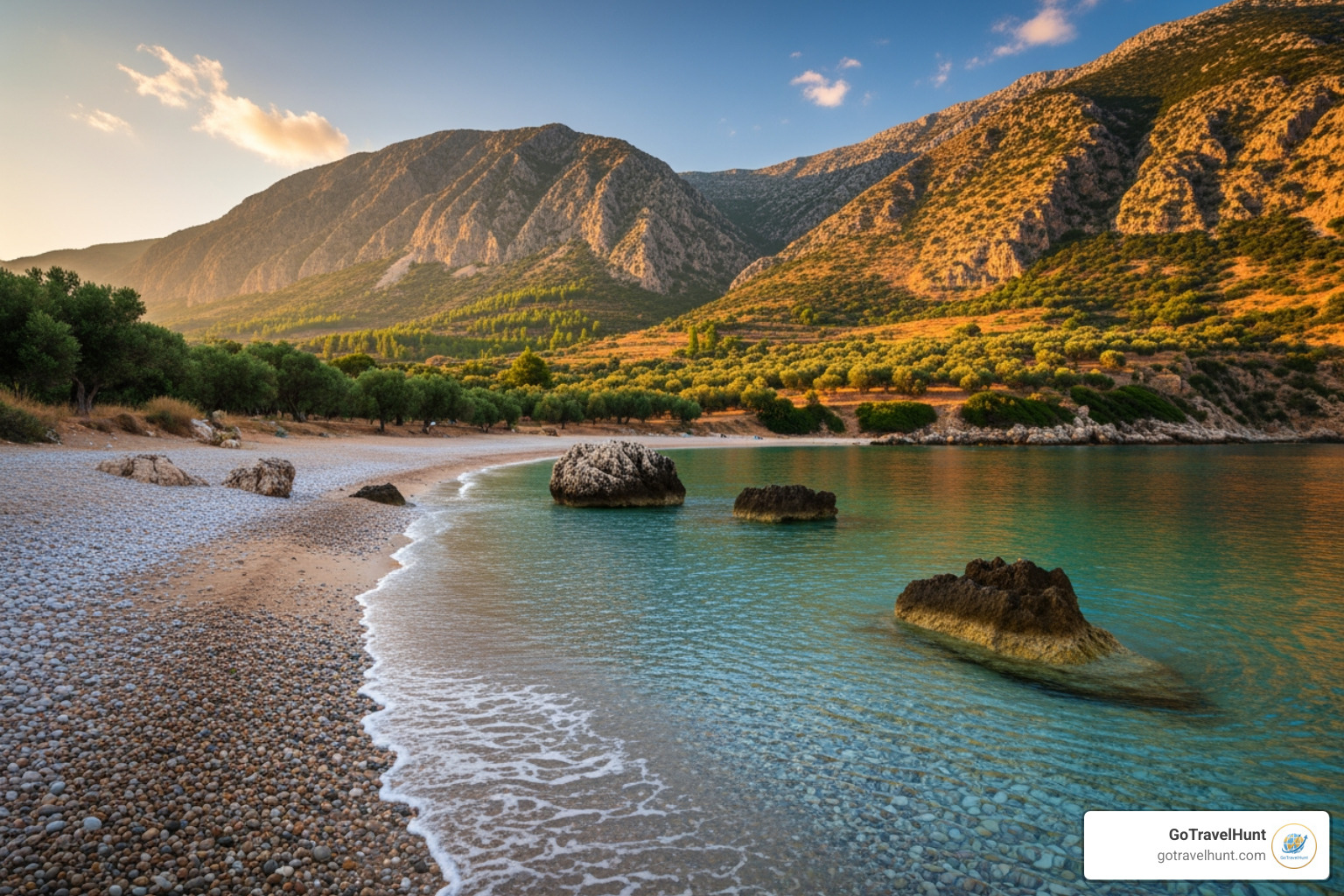
Albania’s coastline rivals Greece and Italy for beauty but at a fraction of the cost. Think crystal-clear turquoise waters, white pebble beaches, and rugged mountains rising from the sea. Enjoy fresh seafood dinners for under €10 and find quiet spots on the beach even in summer.
Towns like Dhërmi, Himarë, and Ksamil each offer a unique character. The drive along the Llogara Pass provides some of Europe’s most spectacular coastal views. History lovers should visit Butrint National Park, a UNESCO site with Greek and Roman ruins in a peaceful, natural setting. The seafood is exceptional and incredibly affordable.
Getting there: Fly into Tirana and rent a car. Ferries also run from Corfu to Sarandë.
Best time to visit: Late spring (May-June) and early autumn (September-October) are ideal.
Vejer de la Frontera, Spain: An Andalusian White Village
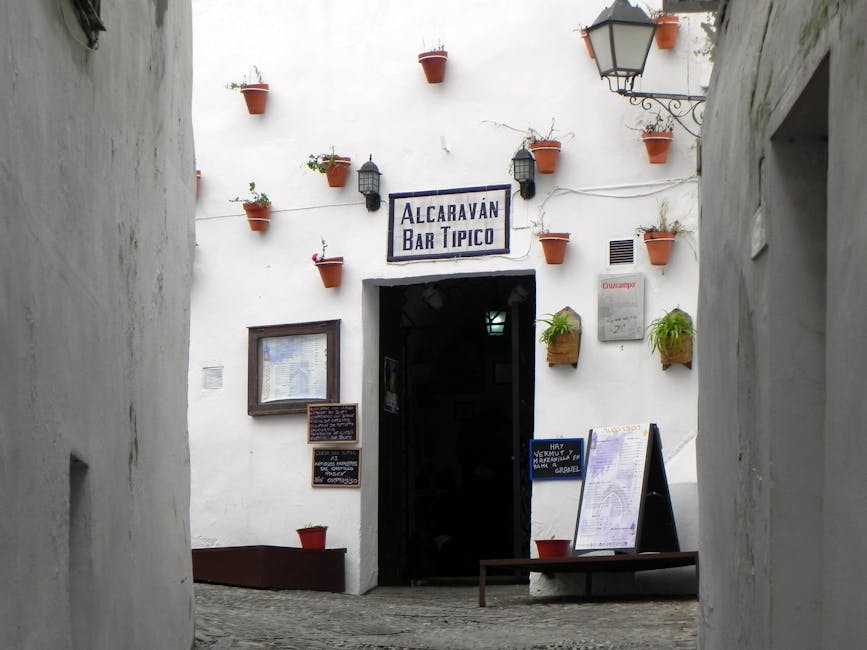
Perched on a hilltop overlooking the Costa de la Luz, Vejer de la Frontera is the quintessential Andalusian village. Its maze of whitewashed streets, splashed with geraniums, has maintained its authentic character. The Moorish influence is everywhere, from the architecture to the winding street layout.
The Plaza de España is the heart of the old town, perfect for watching village life unfold over coffee or tapas. The Castillo de Vejer offers sweeping views to the Atlantic and, on clear days, Morocco. This is sherry country, so be sure to sample the region’s famous fortified wines paired with local tapas like retinto beef.
Getting there: The nearest airport is Jerez; Seville and Málaga are larger alternatives. A rental car is best for exploring the Costa de la Luz.
Best time to visit: Spring (April-May) and autumn (September-October) are perfect.
Exploring the best hidden gems Europe has to offer
Lukomir, Bosnia and Herzegovina
As Bosnia and Herzegovina’s highest and most isolated mountain village, Lukomir represents a way of life that has almost vanished from Europe. The village consists of traditional stone houses with wooden shingle roofs, where shepherds maintain a highland lifestyle. Villagers are remarkably welcoming, often inviting visitors for Bosnian coffee and homemade cheese.
The village sits on the edge of the dramatic Rakitnica Canyon, with breathtaking hiking trails leading across alpine meadows. The area is also dotted with stećci—mysterious medieval tombstones protected by UNESCO. For more, see National Geographic’s glimpse into Lukomir’s life.
Getting there: Accessible only from June to September. Most visitors join 4×4 tours from Sarajevo, as the roads are rough.
Lukomir is a reminder that there are still places where time moves differently and traditions endure.
Practical Tips for Your Off-the-Beaten-Path Adventure
Planning a trip to Europe’s lesser-known corners is different from a standard city break, but the effort is worth it. Here are my essential tips for exploring hidden gems Europe has to offer.
Planning and Budgeting for hidden gems in Europe
- Travel in Shoulder Seasons: Visiting in late spring (April-June) or early autumn (September-October) means pleasant weather, fewer crowds, and lower prices. Lake Bohinj in early October is magical.
- Stretch Your Budget: Eastern European destinations like Romania, Bosnia, and Albania offer experiences at 50-70% lower costs than in Western Europe. A great meal in Sighișoara might cost just €8.
- Stay Local: Choose family-run guesthouses over international chains. You’ll save money and get priceless insider tips on the best food, sights, and trails.
- Eat Where Locals Eat: The best and most affordable food is found at local markets, family restaurants, and neighborhood bakeries. Don’t be afraid of menus without English—that’s often a good sign.
- Use a Template and Get Insurance: Organize your bookings with a travel itinerary template and always secure your European travel insurance before you go.
Getting Around and Staying Safe
- Rent a Car for Freedom: For destinations like the Albanian Riviera or the mountains of Slovenia, a car is essential for exploring hidden spots that tour buses miss. Understand local driving customs and get proper insurance.
- Use Public Transport Smartly: In many regions, local buses and trains are cheap, reliable, and an adventure in themselves. They’re perfect for traveling between cities like Zagreb, Tallinn, or Sighișoara.
- Travel Safely: Most of these hidden gems are safer than major tourist hubs. Solo travelers, including women, often find places like Zagreb and Tallinn very welcoming. Always use common sense: trust your gut, be aware of your surroundings, and let someone know your plans. For more, see our tips for solo travel in Europe.
- Stay Connected with an eSIM: An eSIM for Europe is a game-changer. Activate it on arrival for instant data, which makes navigation, translation, and on-the-fly research effortless.
- Learn a Few Local Words: A simple “hello” and “thank you” in the local language goes a long way. It shows respect and often leads to warmer interactions.
Frequently Asked Questions about Europe’s Hidden Gems
Planning a trip off the beaten path brings up questions. Here are answers to the most common ones we hear about the hidden gems Europe has tucked away.
What defines a “hidden gem” in Europe?
A hidden gem is a place that retains its authentic character, free from the effects of overtourism. Key characteristics include:
- Fewer Crowds: Locals outnumber tourists, and the atmosphere is relaxed.
- Authentic Culture: Daily life hasn’t been altered to cater solely to visitors.
- Underrated Status: It’s not heavily promoted on social media, offering a sense of findy.
- Genuine Experiences: It provides a more personal, memorable connection to the place and its people.
Think of the quirky Libreria Acqua Alta bookshop in Venice—a gem hidden within a famous city.
Are these lesser-known destinations safe to visit?
Yes, most of these destinations are remarkably safe, often more so than major cities that attract petty crime. Countries like Slovenia, Romania, and Portugal have low crime rates, and smaller towns have tight-knit communities.
However, always be prepared:
- Research your destination and check current travel advisories.
- Practice common sense precautions like securing valuables and being aware of your surroundings.
- Trust your instincts. If a situation feels off, remove yourself from it.
- Share your itinerary with someone back home, especially if traveling to remote areas.
In our experience, you’re far more likely to encounter hospitality than any problems.
How can I find my own secret spots in Europe?
Finding your own hidden gems is the most exciting part of travel. Here’s how:
- Talk to Locals: Ask your guesthouse host or a café owner for their favorite spots. This is the best source of insider knowledge.
- Explore Beyond the Center: Hop on a local bus or train to find charming neighborhoods and nearby villages that aren’t in the guidebooks.
- Use Maps Creatively: Zoom in on maps and research smaller towns or parks that catch your eye.
- Read Off-the-Beaten-Path Blogs: Look for content from travelers who specialize in finding unique places, not just top 10 lists.
- Be Spontaneous: Some of the best findies happen by taking a wrong turn or following a random sign. Leave room in your itinerary for detours.
For more inspiration, explore our collection of hidden bucket list ideas.
Start Your Unforgettable European Journey
Exploring hidden gems Europe has to offer is about more than just seeing new places. It’s about genuine connections, unique stories, and memories that last a lifetime. When you choose these underrated destinations, you trade crowded selfie spots for quiet mountain trails and overpriced tourist menus for authentic family recipes.
You stop being just another tourist and start becoming a traveler. Your money supports local communities directly—the family-run guesthouse, the village restaurant, the local artisan—helping to preserve their unique cultures.
Fewer crowds, lower costs, deeper cultural connections, and unique stories—that’s what awaits in places like the Albanian Riviera, Sighișoara’s medieval streets, or Pico Island’s volcanic vineyards.
Ready to plan your escape? GoTravelHunt makes travel planning easy, stress-free, and affordable. Our guides and tools help you find the best deals and craft the perfect journey.
Your next adventure is waiting in a place you’ve probably never heard of. Find your own path. Discover more cultural travel destinations with GoTravelHunt and let us help you uncover Europe’s best-kept secrets. Your authentic European adventure starts now.