Explore ancient ruins: Most Epic Sites 2025
Why Ancient Ruins Captivate Travelers Worldwide
Explore ancient ruins to step directly into humanity’s most fascinating chapters. These sites offer more than crumbling stones—they’re time machines that connect you to civilizations that shaped our world.
Quick Answer: Top Ancient Ruins to Visit
- Europe: Colosseum (Rome), Acropolis (Athens), Pompeii
- Middle East: Petra (Jordan), Pyramids of Giza (Egypt), Karnak Temple
- Asia: Angkor Wat (Cambodia), Great Wall (China), Borobudur (Indonesia)
- Americas: Machu Picchu (Peru), Chichén Itzá (Mexico), Tikal (Guatemala)
There’s something surreal about wandering through places where great cultures once flourished. Standing in a jungle among ancient Maya temples or walking the stone streets of Pompeii frozen by volcanic ash—these moments make history feel real.
The world holds countless incredible ruins. From the Colosseum where 50,000 Romans once watched gladiators to Angkor Wat, the largest religious monument spanning 402 acres. From Stonehenge, erected around 2500 BC, to Machu Picchu, built in the 15th century and hidden until 1911.
Each site tells its own story. The Acropolis represents democracy’s birthplace. The Terracotta Army guards Emperor Qin’s tomb with 8,000 clay soldiers. Petra emerges from rose-colored sandstone cliffs as if carved by magic.
These ruins matter because they show us where we came from. They reveal ancient engineering genius, artistic achievement, and cultural sophistication that still inspires us today.
I’m Ramy Saber, founder of GoTravelHunt and a Civil Engineer with a passion for historical sites and construction marvels. Through years of exploring destinations worldwide and managing complex projects, I’ve learned how to explore ancient ruins effectively while respecting their cultural significance and helping travelers plan memorable, stress-free visits to these incredible places.
Explore ancient ruins terminology:
- authentic travel experiences
- best travel experiences
- luxury travel experiences
Wonders of the Old World: Europe & The Middle East
Europe is where many of us at GoTravelHunt first fell in love with ancient history. Walking through Roman forums or standing beneath Greek temples, you realize these aren’t just tourist attractions—they’re the foundations of everything we know about democracy, engineering, and Western civilization.

When you explore ancient ruins across Europe and the Middle East, you’re stepping into a world shaped by Romans, Greeks, Egyptians, and Nabateans. Each civilization left behind monuments so impressive they still take our breath away thousands of years later.
From the volcanic preservation of Pompeii to the rose-red city of Petra carved into desert cliffs, these sites reveal stories of power, innovation, and daily life in ways no history book ever could.
Must-See Ruins in Europe to Explore Ancient Ruins
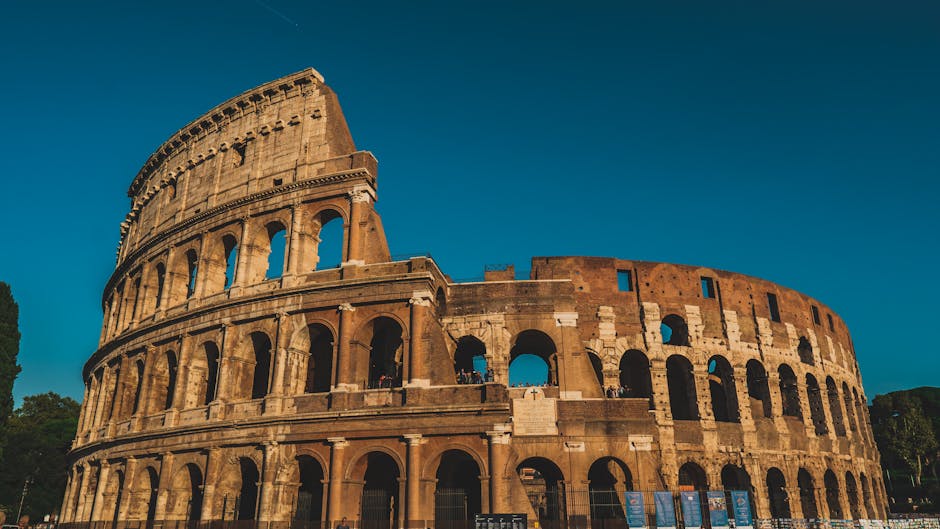
The Colosseum in Rome stands as the ultimate symbol of Roman engineering genius. Built between 70-80 AD, this massive amphitheater held 50,000 spectators who gathered to watch gladiatorial contests and public spectacles. Walking through its ancient corridors, you can almost hear the roar of the crowds. A film that captured its essence) brought its brutal glory back to life for modern audiences.
Just steps away, the Roman Forum was ancient Rome’s beating heart from 500 BC to 400 AD. This sprawling valley held temples, government buildings, and markets where citizens debated politics and justice. Standing among its columns and arches, you’re literally walking through the birthplace of Western legal systems.
The Acropolis in Athens rises above the city like a crown of marble. Its most famous structure, the Parthenon, is a symbol of Western civilization and Athenian democracy. Built in the 5th century BC, this temple to Athena showcases the peak of Greek architectural achievement. The word “Acropolis” itself means “highest point of the city,” and standing here, you understand why ancient Athenians chose this sacred spot.
Pompeii offers something no other ruin can—a complete Roman city frozen in time. When Mount Vesuvius erupted in 79 AD, volcanic ash buried everything: homes with meals still on tables, shops with goods on shelves, even the tragic casts of residents caught in their final moments. Walking its streets feels like stepping into a time machine that shows exactly how Romans lived their daily lives.
Stonehenge in England takes us even further back—about 5,000 years. These massive standing stones, some weighing 25 tons, align perfectly with the sunrise on the summer solstice. How prehistoric people moved and positioned these megaliths remains one of archaeology’s greatest mysteries. The engineering feat alone is mind-boggling.
Showing the Mysteries of the Middle East
Petra in Jordan emerges from rose-colored sandstone like something from a dream. This ancient Nabatean kingdom was carved directly into cliff faces, with its most famous structure, The Treasury, greeting visitors at the end of a dramatic mile-long gorge called the Siq. The play of light on the pink stone throughout the day creates an ever-changing masterpiece.
The Pyramids of Giza in Egypt need no introduction. The Great Pyramid, built around 2560 BC, stood as the world’s tallest structure for nearly 4,000 years. These engineering marvels served as tombs for ancient pharaohs, and despite centuries of study, we’re still finding how they were constructed. Standing before them, you feel impossibly small—which is exactly what the pharaohs intended.
Karnak Temple in Egypt is the largest religious site ever built. Its Hypostyle Hall alone covers 54,000 square feet and contains 134 massive columns arranged in 16 rows. Many structures here date from the reign of Ramesses II, one of Egypt’s most powerful pharaohs. Walking through this stone forest of columns, you understand the scale of ancient Egyptian ambition and devotion.
How to Plan Your Trip and Explore Ancient Ruins Responsibly
Planning to explore ancient ruins takes more than just booking a flight and showing up. These incredible sites deserve thoughtful preparation—both to improve your experience and to help protect them for future travelers. At GoTravelHunt, we’re passionate about making travel planning easy and stress-free, so you can focus on the magic of standing where ancient civilizations once thrived.
Think of these sites as living museums. They’ve survived centuries of weather, wars, and human activity. Now they need our help to last another few thousand years.
Essential Planning Tips for Your Adventure
The difference between a frustrating visit and an unforgettable one often comes down to preparation. Here’s what works, based on years of helping travelers plan journeys to one of the coolest places to visit.
Booking in advance isn’t just smart—it’s essential for popular sites. The Colosseum, Machu Picchu, and the Acropolis sell out weeks ahead, especially during peak season. Many sites now limit daily visitors to protect the ruins, so waiting until you arrive can mean disappointment. Book early, and you’ll often get skip-the-line access that saves hours of standing in the sun.
Arriving at opening time transforms your experience. I’ve walked through Angkor Wat at dawn with only a handful of other people, watching the sun illuminate the ancient stones. By 10 AM, thousands had arrived. That early morning serenity lets you actually feel the history instead of fighting through crowds for photos.
Your feet will thank you for wearing comfortable, sturdy shoes. Ancient sites weren’t built with modern accessibility in mind. You’ll climb uneven steps, walk on worn cobblestones, and traverse dusty paths. Those cute sandals? Save them for the hotel.
Hiring a local guide might seem like an extra expense, but it’s worth every penny. A good guide brings ruins to life with stories you won’t find in guidebooks. They’ll point out details you’d walk right past—a hidden carving, a clever engineering solution, a spot where something historically significant happened. Plus, you’re supporting someone from the local community.
Don’t underestimate the sun when you pack water and sun protection. Many ancient sites offer minimal shade—they were built in open spaces or have lost their roofs over millennia. A reusable water bottle, sunscreen, a wide-brimmed hat, and sunglasses aren’t optional extras. Heat exhaustion ruins trips faster than anything else.
Always check current opening times and days before you go. Sites close for restoration work, holidays, or weather conditions. Nothing’s more frustrating than traveling across a city only to find gates locked.
The Responsible Traveler’s Code
When we explore ancient ruins, we’re temporary visitors to places that have stood for centuries or even millennia. Our actions today determine whether future generations can experience these same wonders.
Staying on marked paths protects both you and the ruins. Those barriers aren’t suggestions—they mark areas where the ground might be unstable or where fragile archaeological remains lie just beneath the surface. Wandering off-trail can damage artifacts that haven’t even been excavated yet.
The temptation to touch ancient walls or carvings is real. But oils from our skin accelerate deterioration of stone and paint. Climbing on structures for photos puts stress on ancient materials and risks collapse. These sites have survived natural disasters—let’s not let Instagram be their downfall.
Leaving graffiti ranks among the most disrespectful things a traveler can do. Carving your initials or leaving marks doesn’t make you immortal—it makes you part of the problem. The same goes for taking souvenirs. That small stone might seem insignificant, but if every visitor took one, the site would disappear. Take nothing but pictures, leave nothing but footprints.
Supporting local communities ensures tourism benefits the people who live near these sites. Buy from local vendors, eat at family-run restaurants, and hire local guides. This creates economic incentives for preservation—when communities prosper from tourism, they become fierce protectors of their heritage.
Reducing waste means carrying out everything you bring in. Many ancient sites lack adequate trash facilities, and litter defaces these sacred spaces. Bring a small bag for your trash and dispose of it properly later.
Finally, respect the cultural significance of these places. Many ruins remain sacred to local communities or hold deep spiritual meaning. At sites like Angkor Wat or Mesa Verde, remember you’re walking through someone’s cultural heritage. Dress modestly where required, speak quietly, and observe any restrictions on photography or access to certain areas.
Responsible travel isn’t about following rules for the sake of it. It’s about recognizing that these ancient places are irreplaceable gifts we’re borrowing from the past and the future. When we explore ancient ruins with respect and care, we become part of their story—not as people who damaged them, but as those who helped preserve them.
Frequently Asked Questions about Exploring Ancient Ruins
Planning a trip to explore ancient ruins brings up plenty of questions. We’ve heard them all at GoTravelHunt, and we’re here to help you prepare for your next historical adventure with clear, practical answers.
What is the most famous ancient ruin in the world?
This question sparks passionate debates among travelers and historians alike. The truth is, “most famous” depends partly on where you’re from and what captures your imagination. That said, a handful of sites consistently rise to the top of global recognition.
The Pyramids of Giza in Egypt hold a special place as the only surviving member of the original Seven Wonders of the Ancient World. Built over 4,500 years ago, these monumental tombs of ancient pharaohs represent human ambition on a scale that’s hard to comprehend. Their sheer age and engineering genius give them best recognition worldwide.
The Colosseum in Rome stands as an equally powerful symbol. As the largest amphitheater ever built, this architectural masterpiece instantly conjures images of gladiators, roaring crowds, and the might of the Roman Empire. Its influence on Western culture and modern stadium design makes it recognizable even to those who’ve never studied history.
Machu Picchu in Peru brings a different kind of fame—one wrapped in mystery and breathtaking beauty. This 15th-century Inca citadel, hidden in the Andes until 1911, captures imaginations with its dramatic mountain setting and the questions it still poses about Inca life and purpose.
The Great Wall of China deserves mention simply for its impossible scale. Stretching over 13,000 miles across mountains and deserts, it’s visible from space and represents centuries of Chinese civilization and determination. Each of these sites draws millions of visitors annually, and their cultural impact extends far beyond their physical boundaries.
What are some of the best-preserved ancient ruins?
When we talk about preservation, we’re really asking: where can we see the most authentic glimpse into ancient life? Some sites offer extraordinary windows into the past precisely because nature or circumstance kept them frozen in time.
Pompeii tops nearly every list, and for good reason. When Mount Vesuvius erupted in 79 AD, it buried this Roman city under volcanic ash and pumice, creating a tragic but invaluable time capsule. Walking through Pompeii’s streets, we see bakeries with loaves still in the ovens, vivid frescoes on villa walls, and even the haunting plaster casts of residents caught in their final moments. Its sister city Herculaneum offers even more remarkable preservation. Buried by pyroclastic flows rather than ash, it protected organic materials that normally decay—wooden furniture, food, papyrus scrolls, and even a fishing net still hanging where someone left it two thousand years ago.
Ephesus in Turkey showcases Roman urban planning at its finest. Once a major port city, it’s now one of the best-preserved Roman cities anywhere. The Library of Celsus still stands with its impressive facade, the Great Theater once held 25,000 spectators, and you can walk the same marble-paved streets that ancient merchants and philosophers once trod. The level of architectural detail that survives helps us understand not just what Romans built, but how they lived.
Jerash in Jordan earns its nickname as the “Pompeii of the East.” This remarkably intact site preserves colonnaded streets, grand temples, two amphitheaters, and even the wheel ruts worn into ancient stones by countless chariots. It’s one of the largest and most complete examples of Roman architecture outside Italy, yet it sees far fewer visitors than its Mediterranean counterparts.
These exceptionally preserved sites offer invaluable insights into daily life, architectural techniques, and the small human details that bring ancient civilizations to life in ways that fragmentary ruins simply cannot.
How can I find lesser-known ancient ruins to visit?
The world’s most famous ruins are famous for good reasons—they’re spectacular. But sometimes the most memorable experiences come from finding sites where you’re not sharing the view with tour buses and selfie sticks.
Start with local tourism boards when planning your European adventure. Official regional websites often highlight significant historical sites that don’t make international headlines but are equally fascinating. Butrint in Albania, for instance, layers Greek, Roman, and Byzantine ruins in a beautiful coastal setting, yet it remains wonderfully uncrowded. The Imperial Baths of Trier in Germany showcase Roman ambition on an impressive scale but see a fraction of the Colosseum’s crowds.
Archaeology blogs and academic papers can be goldmines of information. While some academic writing is dense, many archaeologists and historians write accessible content about their favorite sites and recent findies. These sources often discuss the significance of lesser-known ruins and why they matter to our understanding of ancient cultures.
Once you arrive in a region, hiring local guides gives you access to insider knowledge. Guides who live near ancient sites know about nearby ruins that aren’t heavily promoted. They can direct you to places locals value but tourists rarely find. A guide in Sicily might suggest Selinunte’s massive Greek temples or the Valley of the Temples in Agrigento—both spectacular but less crowded than mainland attractions.
Perhaps the best advice is to explore beyond major cities. While Rome and Athens rightfully draw millions of visitors, venturing into smaller towns and rural areas reveals hidden treasures. The countryside across Europe is dotted with Roman villas, Celtic hillforts, medieval monasteries, and prehistoric sites that offer intimate encounters with history.
At GoTravelHunt, we believe that whether you’re standing before the Pyramids of Giza or finding a forgotten Roman villa in the Spanish countryside, what matters most is the connection you feel to the people who built these places and the stories they tell about our shared human journey.
Conclusion
Standing among ancient stones that have witnessed millennia, we’re reminded that these aren’t just tourist attractions—they’re bridges connecting us to our shared human story. When we explore ancient ruins, we’re doing more than checking off bucket list items. We’re walking in the footsteps of emperors and philosophers, artisans and everyday people who lived, loved, and built civilizations that still inspire us today.
The enduring legacy of these ancient sites speaks to something profound within us. The Romans showed us what ambitious engineering could achieve. The Greeks gave us democracy and philosophy that still guide us. The prehistoric builders of Stonehenge and Skara Brae proved that even without modern technology, human determination could create wonders that last forever.
Each ruin tells its own story, and together they weave a narrative of human achievement, resilience, and creativity. Whether you’re captivated by the gladiatorial drama of the Colosseum, moved by the democratic ideals born on the Acropolis, or mystified by the prehistoric mysteries of Stonehenge, these sites offer something deeply personal to every traveler.
For us at GoTravelHunt, helping you find these unforgettable journeys is what drives us. We know that planning a trip to ancient sites can feel overwhelming—which ruins should you prioritize? When’s the best time to visit? How do you book tickets and avoid crowds? That’s where we come in, making travel planning easy, stress-free, and affordable.
The world’s ancient ruins are waiting for you. From the volcanic preservation of Pompeii to the majestic temples of the Acropolis, from mysterious Stonehenge to the dramatic cliffs of Skellig Michael—your next adventure into history is closer than you think.
So why wait? Start planning your cultural travel adventure with GoTravelHunt today, and let these ancient stones work their magic on you. After all, the best time to explore ancient ruins is now, while these precious sites still stand, telling their stories to anyone willing to listen.
Start planning your cultural travel adventure with us, and find why these ancient wonders continue to captivate travelers from around the globe.